Interested in stepping into the exciting world of memecoins? If yes, you’re exactly where you need to be. Meme tokens are light-hearted cryptocurrencies that are designed to follow trends, build communities, entertain masses, and tickle your funny bones. They have zero or limited utility but can generate high returns based on their viral potential.
In this guide, we’ll decode what a meme coin means, how to create one, and why it is so popular. We’ll also provide deeper insights into its types, risks, regulatory landscape, and best meme tokens.
What Are Meme Coins?
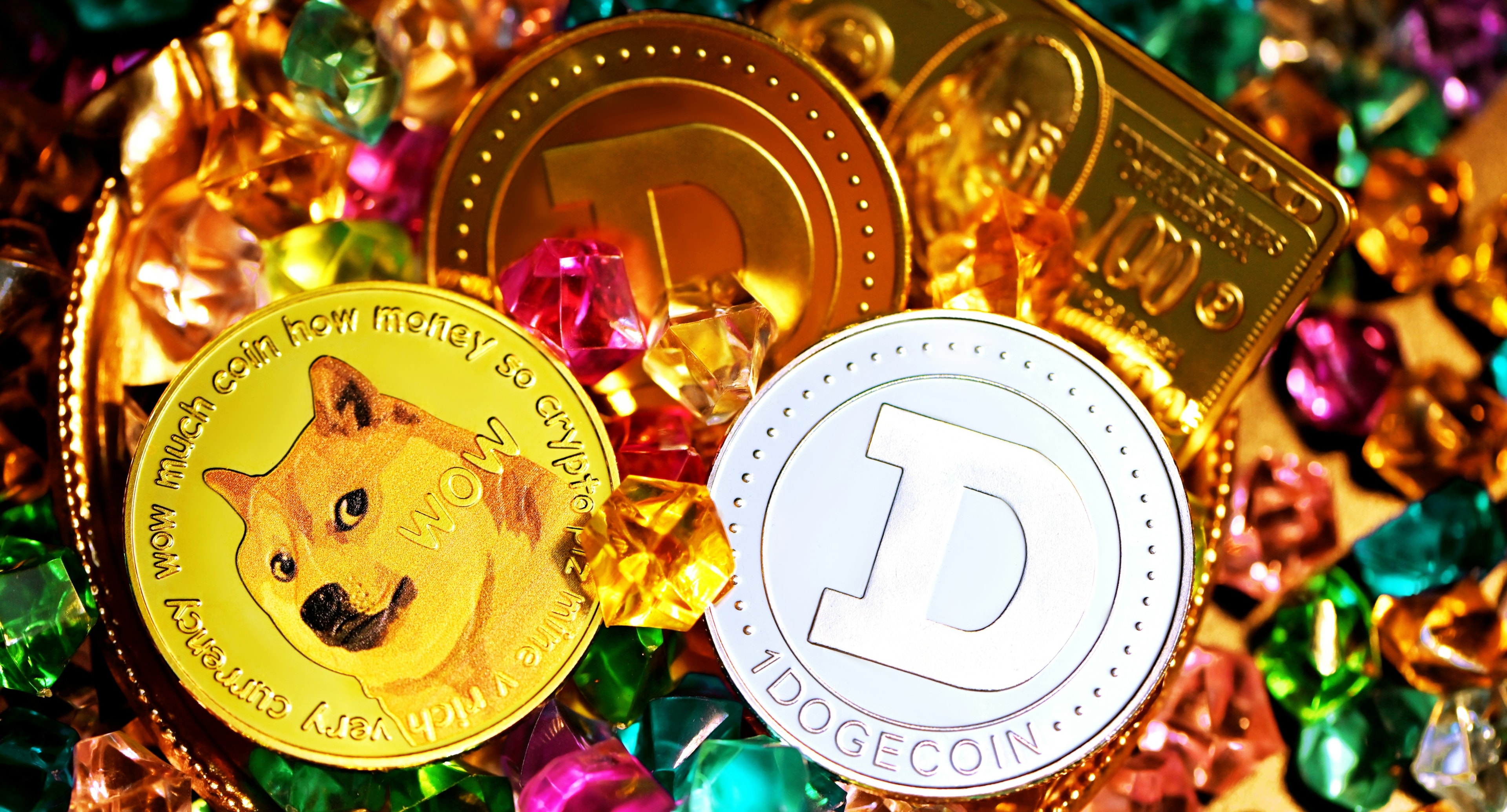
Meme coins are a genre of cryptocurrencies inspired by internet culture, jokes, viral content, comical themes, or social media trends. Usually, they start as spoofs, satires, or nonsensical depictions of other cryptocurrencies, internet memes, cartoon characters, famous artworks, or celebrities. They’re often accompanied by an official website, describing the project’s backstory and tokenomics.

What sets them apart from traditional altcoins is that they lack commercial, financial, or technological use cases. They don’t possess an innate value or specific utility and are primarily designed for fun and entertainment. Their demand and prices are determined by the strength and enthusiasm of the communities promoting them. Therefore, their values rise swiftly, but fall just as fast.
The top-ranked meme coins like Dogecoins, Floki, and Bonk are highly liquid, tradable, and convertible on cryptocurrency exchanges. They are also used for peer-to-peer payments. Besides, many meme coins are akin to novelty items and collectables.
However, most memecoin projects fail to survive after the initial hype surrounding them withers away. Moreover, this sector is not well-regulated, making it a breeding ground for crypto scams.
How Do Meme Coins Work?
Like traditional cryptocurrencies, memecoins exist on blockchains such as Solana, Binance Smart Chain (BSC), and Ethereum. These networks provide the necessary tools, technical frameworks, and infrastructure for minting, issuing, and transmitting meme tokens.
Meme coins function like any other decentralized currency, recording transactions in immutable and transparent digital ledgers. To achieve this, they utilize cryptography and distributed ledger technology (DLT). They’re also listed on centralized and decentralized exchanges post-launch, enabling you to buy, sell, or trade them seamlessly.
Additionally, tokenomics are an integral part of meme coin projects. From total supply, utility, distribution mechanism, and burning schedule, tokenomics covers the fundamental and economic aspects of a token. For example, the Shiba Inu community follows a deflationary mechanism that involves frequent burning of SHIB tokens to maintain scarcity.
A distinguishing feature of meme tokens is that they aren’t created to solve a problem. They seldom have technical use cases and predominantly serve as a form of entertainment. They derive their value from viral social media posts, trending jokes, and internet hype. Their popularity depends on various factors, including online community engagement, celebrity endorsements, social visibility, influencer attention, and collective sentiment.
Types of Meme Coins
1. Animal-themed
Animal-themed tokens, especially those featuring dogs, rule the meme coin realm. Other animals that have inspired meme token development include frogs, penguins, cats, apes, hippos, and sloths. Dogecoin, Pudgy Penguins, Popcat, Moo Deng, and Slerf are notable examples of animal-themed coins.
2. Pop Cultures and Famous Image IP
These meme coins are based on online memes, trending cartoon characters, viral visuals, and pop culture references. They transform animations, videos, and static images into tradable tokens. Additionally, they may embody cultural symbols, comic book stories, slapstick humor, human emotions, and artistic satire. Top projects in this category include Pepe, Brett, Dogwifhat, Wojak, and HarryPotterObamaSonic10Inu.
3. AI-themed
These tokens represent a blend of artificial intelligence, tech futurism, and meme culture. They mock the current generative AI wave or integrate concepts such as AI-powered chatbots, assistants, agents, and LLMs. Fartcoin, Pippin, AI Companion, Turbo, and Ribbita by Virtuals are leading AI-themed meme coins by market cap.
4. Celebrity-inspired (PolitFi)
Celebrity meme coins leverage the popularity of famous personalities from various sectors like sports, movies, fashion, and music. They depict the real-life activities of these celebs in a fun manner. Many projects are even endorsed by the titular figures to promote the token and build their personal brand.
Among celebrity-inspired tokens, PolitFi coins that represent or parody political figures, including their beliefs and ideals, are the most popular. US President Donald Trump has been a dominating figure in this sub-category. Examples of celeb-inspired meme coins include Official Trump, Melania, MAGA, Kekius Maximus, and Mother Iggy.
Most Popular Meme Coins in the Market
1. Dogecoin (DOGE)
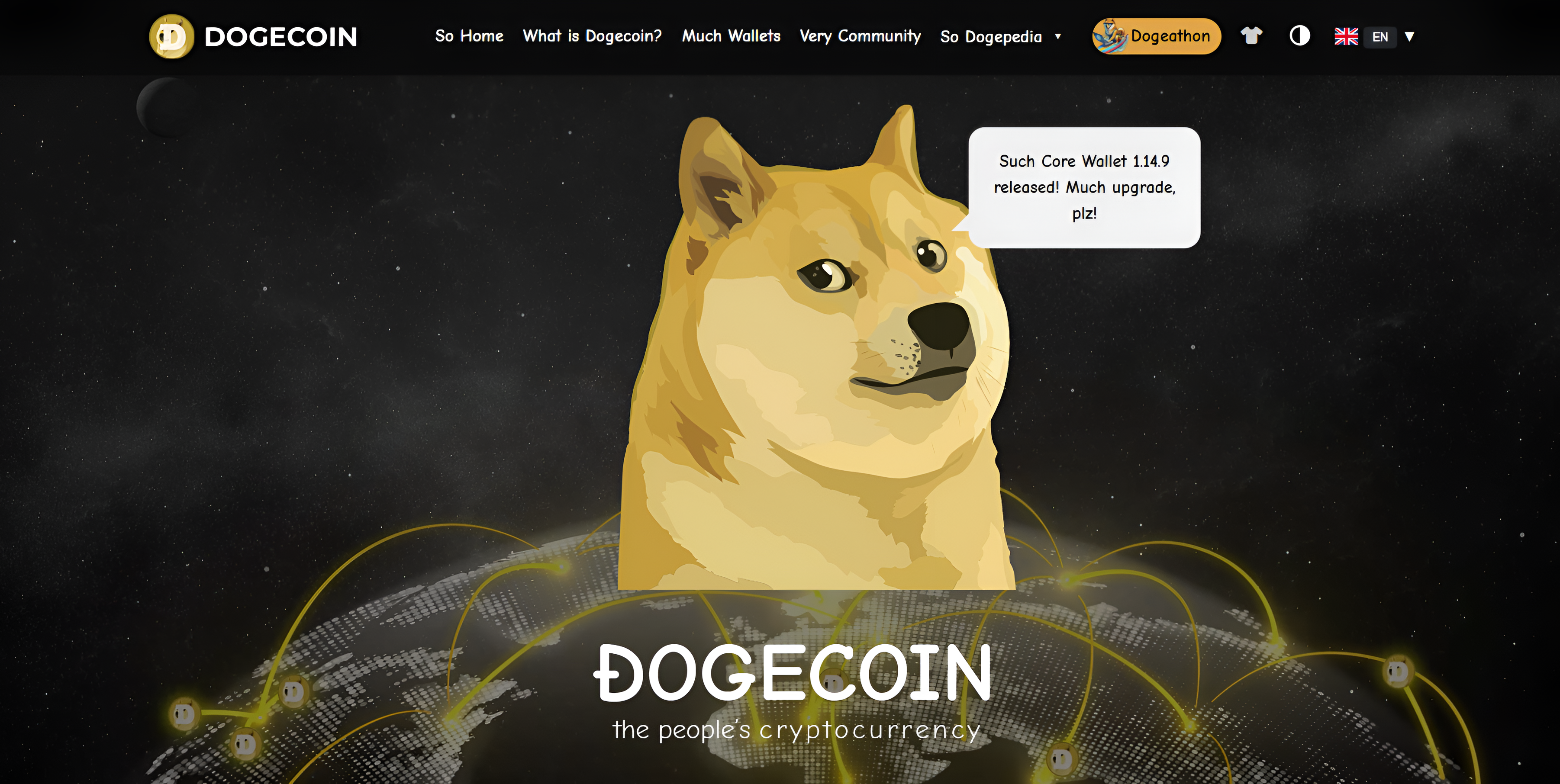
Dogecoin is the first meme coin and the pioneer dog-themed token to hit the crypto market. Created by software engineers Jackson Palmer and Billy Markus, Dogecoin was launched in 2013 as a joke. It was inspired by a viral meme that featured a Japanese Shiba Inu dog. Though it was a lighthearted token that satirized the Bitcoin craze, it gained immense popularity in a short span. Its uncapped supply, low fees, and endorsement from Elon Musk contributed to its mainstream adoption as a means of payment. Currently, its market cap has exceeded $23B.
2. Shiba Inu (SHIB)
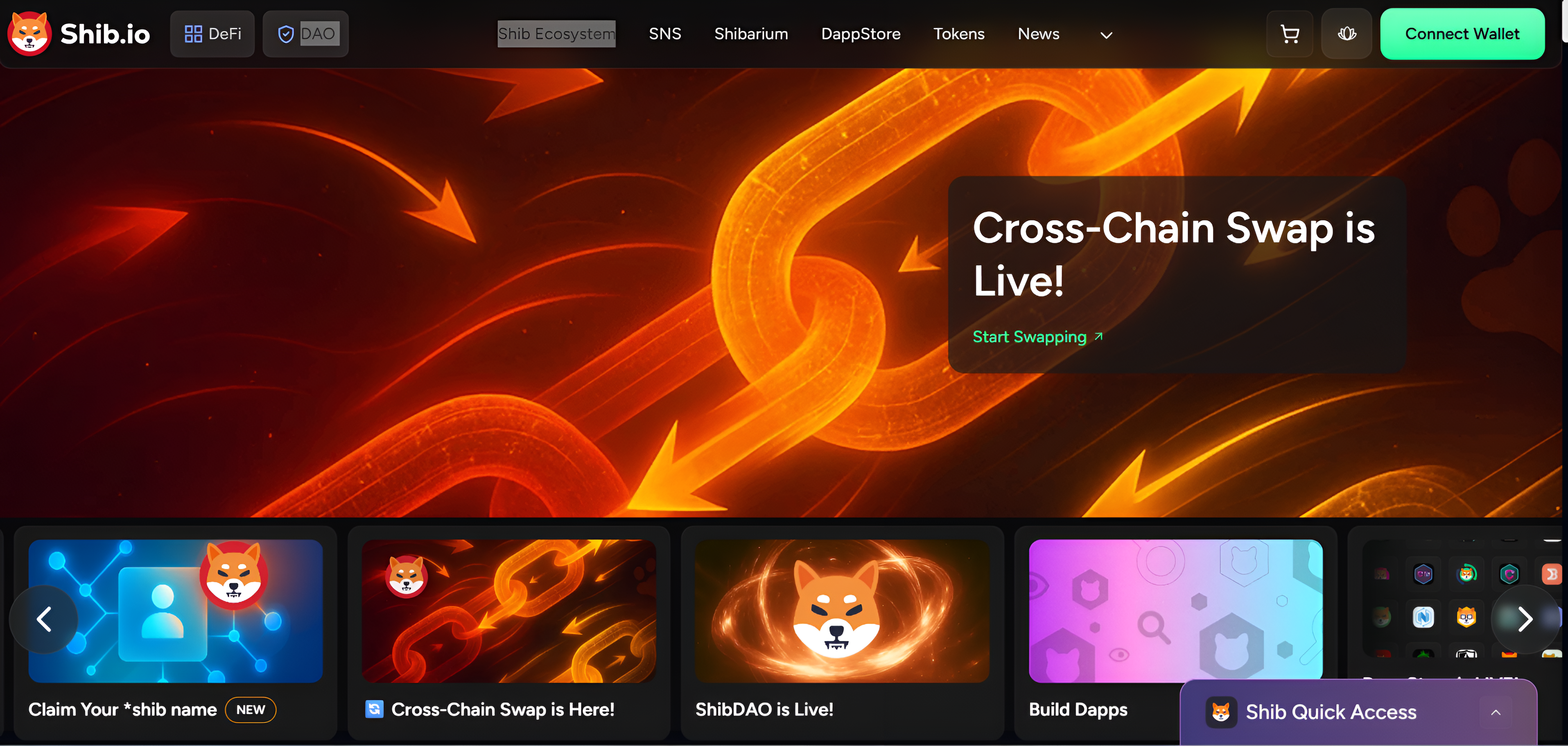
Shiba Inu is the first Ethereum-based meme token and the flagship utility token of the Shib ecosystem. It powers various gaming, metaverse, NFTs, and DeFi applications within the ecosystem. Moreover, it is widely used in the real world for making merchant payments. Since its launch in 2020, Shiba Inu’s market cap has surpassed $5B. Furthermore, it is a deflationary token with an organic burning mechanism.
3. Pepe (PEPE)
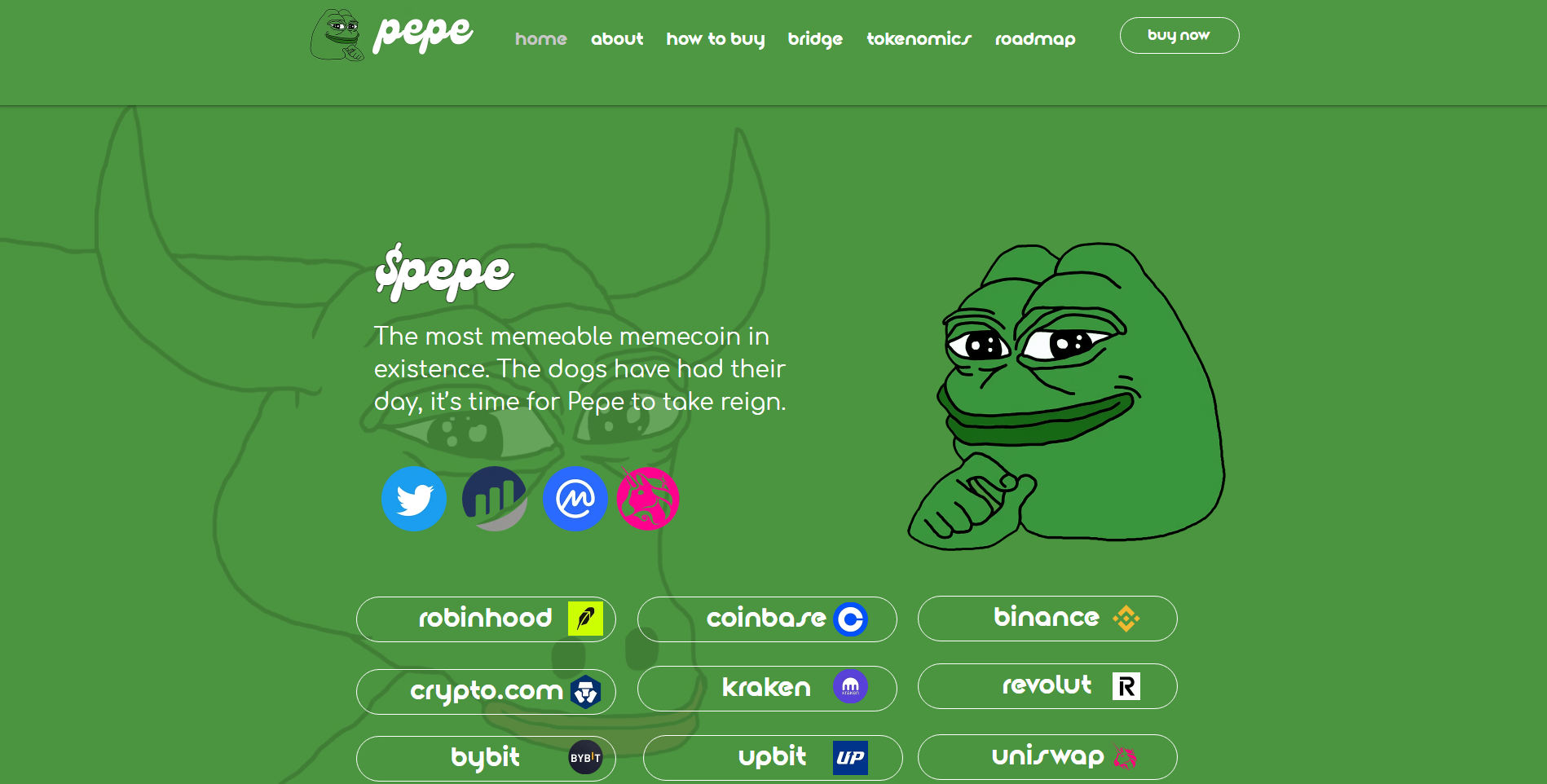
PEPE is an ERC-20 token based on internet memes surrounding the comic character, Pepe the frog. It was stealthily launched in 2023 with no presales or taxes. Also, the creators burnt liquidity pools and renounced control over the underlying smart contract. These measures, coupled with heavy community-driven marketing, made PEPE a highly sought-after meme coin within a few days of release. Presently, Pepe is the fourth-largest meme-based cryptocurrency as per market cap (over $2.5B).
4. Bonk (BONK)

Bonk is a community meme coin built on the Solana blockchain. It is a utility token that has been integrated into 400+ Web3 applications across 13+ blockchain networks. These include games, NFT marketplaces, exchanges, crypto wallets, developer tools, and portfolio trackers. It regularly features among the top 10 meme tokens by trading volume, with a market cap of over $950M.
5. Floki Inu (FLOKI)

FLOKI is another Solana-based meme token named after Elon Musk’s pet Shiba Inu dog, Floki. It is backed by a thriving community of 495K+ members, known for its social media engagement rate and Floki memes. Moreover, FLOKI is the utility token of the Floki ecosystem, comprising dApps, NFTs, merchandise stores, trading bots, and a metaverse. You can buy/sell the token across 100+ exchanges with a nominal 0.3% tax applied to DEX transactions. It has a capped supply of 10 trillion and regularly burns locker and prepaid card fees.
6. Official Trump (TRUMP)

TRUMP is a meme token inspired by Mr. Donald John Trump, the 47th US President. If you resonate with his ideologies, $TRUMP serves as your gateway to the Trump movement, an epitome of optimism and success. While it gives you a glimpse of America’s current political landscape, it has emerged as a popular collector’s item. It is also the largest Solana meme coin with a market cap of over $1 billion.
What Makes Meme Coins So Popular?
- Online communities: Meme coins foster community development, inculcating a sense of belonging among members. Crypto buffs who want to participate in online movements, viral trends, or internet culture will find meme tokens attractive. Even those seeking active community engagement, entertainment, and fun will be drawn to these digital assets.
- High profit potential: Though meme coin prices are intensely volatile, you can clock high profits during rapid uptrends and bull runs.
- Crypto portfolio diversification: Many traders buy meme tokens to diversify their cryptocurrency exposure. These coins can boost overall portfolio returns while optimizing risks when invested alongside stablecoins and more established cryptocurrencies.
- Low entry barriers: Memecoins have nominal entry prices, enabling newcomers to try their hand at crypto investing without incurring heavy losses.
Understanding Meme Coin Risks and Volatility
- High volatility: Meme coin prices fluctuate rapidly. A single piece of news or viral tweet can create FOMO among people, causing token prices to skyrocket or plummet. As they don’t have strong fundamentals or utility, they’re a highly volatile and risky asset class.
- Scams: The crypto market, especially the memecoin space, is a hotbed for fraud and scams. For example, the 2021 SQUID token scam was a classic rug pull. Creators had designed the Squid Game-inspired token with an anti-dumping mechanism, which prevented investors from selling it. When the token’s price soared, creators removed the liquidity and disappeared with investors’ money.
- Regulatory challenges: Most countries don’t have transparent laws, taxation policies, and regulatory frameworks, particularly for meme tokens. Thus, they’re susceptible to sudden delistings, trading curbs, or changes in regulatory treatment.
- No transparency or real-world utility: Most meme coins often lack precise roadmaps, technical use cases, or open-source codebases. Therefore, it is impossible to deduce their long-term viability and sustainability. Moreover, their prices are driven by media hype, internet trends, cultural relevance, global events, and active community engagement. Hence, these tokens experience extreme price fluctuations.
How to Make a Meme Coin?
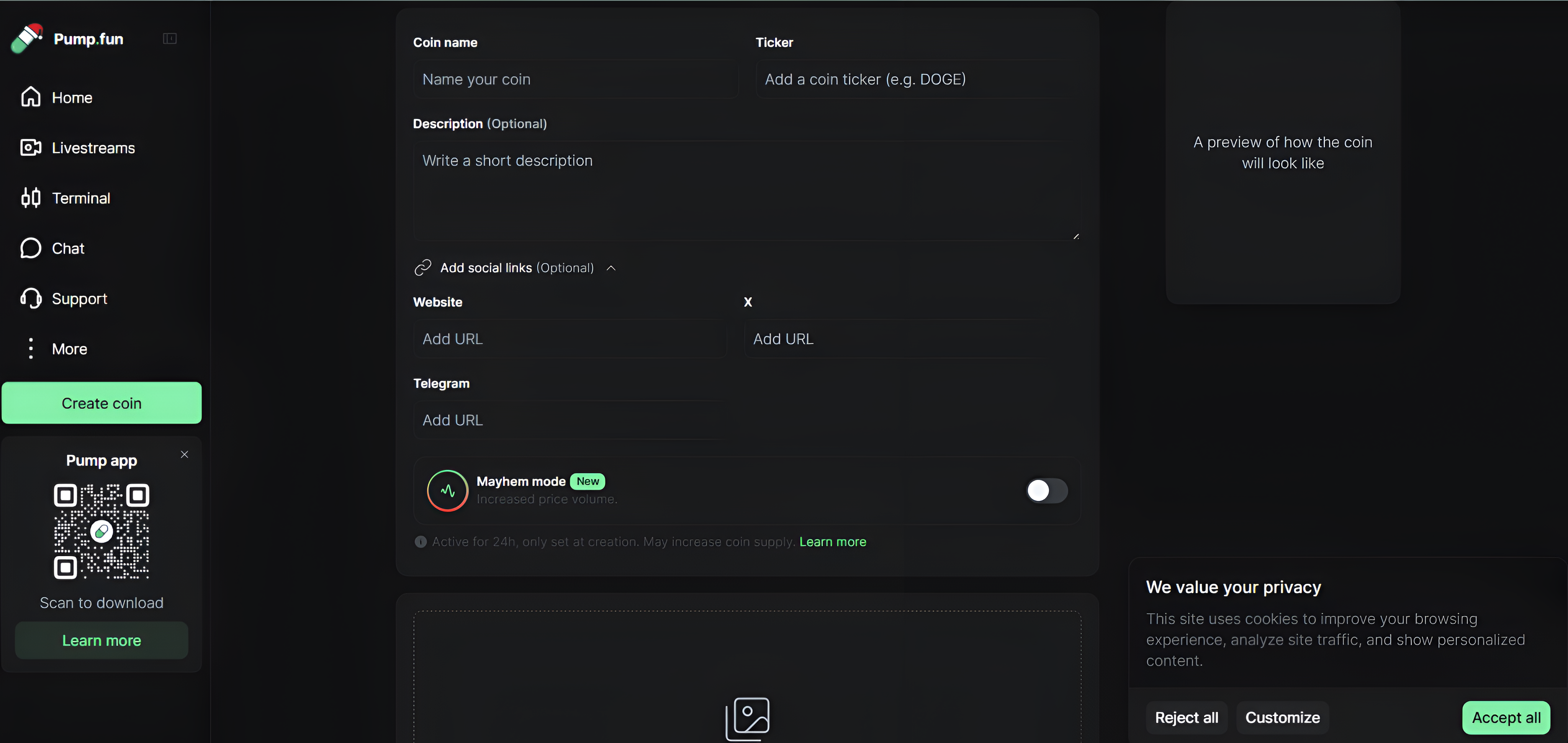
Making memecoins is a breeze, as you don’t need in-depth programming knowledge to create them. Plus, many no-code platforms, like Pump.fun, SunPump, and MoonShot have sprung up in the past few years. They simplify and streamline the token minting and launch processes. All you need is a Web3 wallet and an adequate crypto balance to develop a meme coin.
- Identify a suitable website for creating meme tokens.
- Link your crypto wallet to the chosen platform.
- Enter a token name (e.g., Dogwifhat).
- Input a coin ticker (e.g., WIF).
- Enter a short description of your project, highlighting its mascot, theme, community size, and underlying content (meme, culture, humor, etc.)
- Furnish tokenomics, including token supply, burning strategy, distribution system, governance model, and use cases.
- Upload an HD logo, banner, image, or video for your meme coin, preferably in JPEG, GIF, PNG, or MP4 format.
- Add links to the project’s and creators’ social media platforms, especially X and Telegram links.
- Pay the required fees and click the “Create token” tab. Your coins will be ready within a minute on most launchpads.
- On some sites, you may need to specify additional parameters such as meme tags and token divisibility.
- Develop an elaborate advertising and branding strategy to promote the new coin and build a follower community.
The Regulation of Meme Coins
Meme coin regulation varies across locations. While some countries have banned cryptocurrencies, including meme tokens, others don’t have clear laws/regulatory guidelines for digital currencies. In the European Union, the MiCA regulation provides a unified framework for all blockchain assets.
In the US, the Securities and Exchange Commission (SEC) considers meme tokens analogous to collectables with no intrinsic value/functionality. As they don’t generate yields or grant rights to assets, gains, or future earnings, they aren’t equivalent to securities.
Moreover, meme coin investors aren’t putting their money in a business/enterprise. Thus, the Federal Securities laws don’t apply to meme-based tokens, even if people made millions of dollars by trading them. However, scams involving such crypto assets are punishable under other federal/state authorities.
Overall, meme tokens are largely unregulated and operate in a legal grey area. Hence, many memecoin projects are highly likely to be pump-and-dump schemes in disguise. Doing your own research and due diligence is necessary, as no legal recourse may be available in the event of fraud.
Conclusion
If you’re looking for an asset class that enables you to clock quick profits while having fun, meme coins are worth exploring. New traders can invest small amounts in these tokens to gain crypto trading mastery. Conversely, seasoned investors can harness their expertise to enter/exit meme coin investments at an opportune time to make gains. Meme token-related prediction markets are also emerging as lucrative avenues for making money.
However, these are highly risky cryptocurrencies with bleak long-term prospects. Thus, conduct in-depth research, assess your risk tolerance, and exercise caution before dipping your feet in the memecoin ecosystem.
FAQs
What is a Meme Coin used for?
Meme coins have no or limited usability. They’re based on trending jokes and derive their value from community hype and the virality of the underlying content. They enable speculative investing and are predominantly designed for entertainment purposes.
Is Meme Coin a good investment?
Apart from memetic power and community fad, meme coins typically have no real use cases or fundamental value. Though some cryptocurrencies like Dogecoin and Shiba Inu have generated high profits, meme tokens are speculative investments carrying high risks. Once the hype surrounding them fades away, their values might plummet drastically, leaving you with worthless assets. Thus, meme coins aren’t a good investment, especially for the long term.
Which Meme Coin is best?
Based on current rankings by market capitalization, trading volumes, and liquidity, Dogecoin is the king. Other popular meme coins worth investing in are Shiba Inu, Pepe, and Bonk.
Why do people invest in Meme Coins?
Meme coins are speculative investments with high profit potential. Since they’re inspired by jokes, viral content, contemporary trends, and current events, they have cultural relevance and entertainment value. Investors also view them as social experiments, collectables, memorabilia, or an expression of support for a person or political party. Due to their low prices, they’re appealing to both beginner and experienced traders alike.
Where to buy Meme Coins?
You can buy, sell, and trade meme coins on centralized and decentralized cryptocurrency exchanges. You can also swap them for other cryptocurrencies on their native blockchains using supported crypto wallets.
What’s the difference between Memecoins and Altcoins?
All cryptocurrencies other than Bitcoin are collectively known as altcoins. Non-meme-based altcoins are minted for specific use cases, like decentralization, cross-chain interoperability, smart contracts, asset tokenization, etc. They possess real-world utility and are less volatile. Conversely, meme tokens are built mainly for entertainment and are inspired by viral jokes, online trends, and cultural references. They are extremely volatile, and their value depends on factors like community engagement, influencer attention, and social media buzz.